Pope Leo diagnosed with lung cancer after undergoing surgery, Vatican says
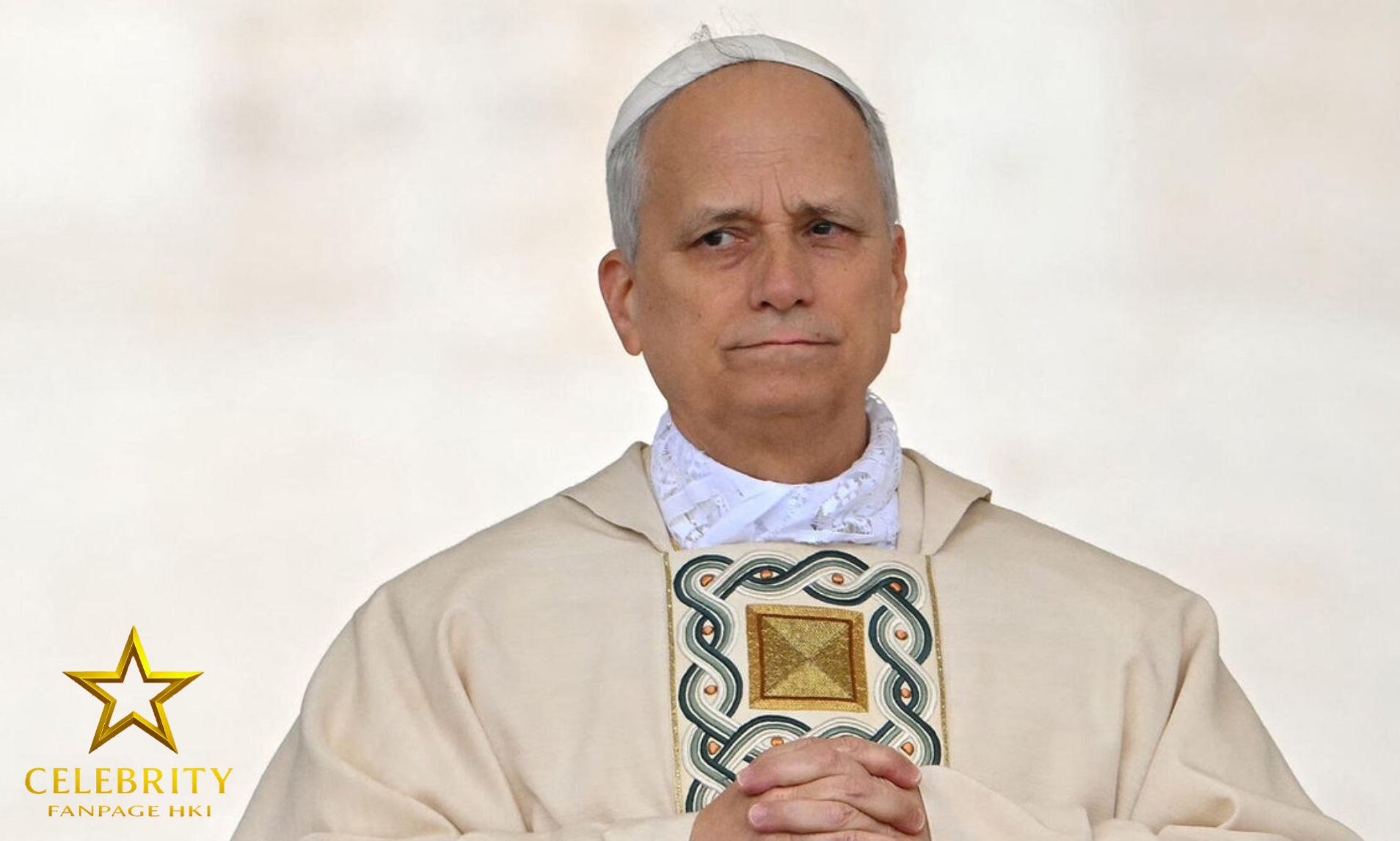
Pope Leo XIV’s surgery confirmed that he has lung cancer, and he had the lower lobe of his right lung removed, the Vatican said Tuesday.
The tests confirmed a diagnosis of lung adenocarcinoma, the Vatican said in a medical bulletin after the surgery. It said the diagnosis had been suspected by preoperative tests and was confirmed during surgery.
The 71-year-old pontiff was in the operating room for about 3 hours, the statement said. The surgery itself lasted approximately 90 minutes. “The surgery was successful, and there were no complications,” the statement said.
“To ensure a radical resection, the lower lobe of the right lung was removed using a video-assisted technique,” the Vatican said in a statement. “Intraoperative histological examination confirmed the diagnosis of pulmonary adenocarcinoma, as suspected from pre-operative tests.”
According to the Vatican, the pope “regained consciousness normally” following the procedure and was then taken back to his room on the 10th floor of Rome’s Gemelli Hospital.
In its statement, the Vatican did not disclose what stage the cancer was in or whether the cancer may have spread. It also did not detail what further procedures the pope may have to undergo.
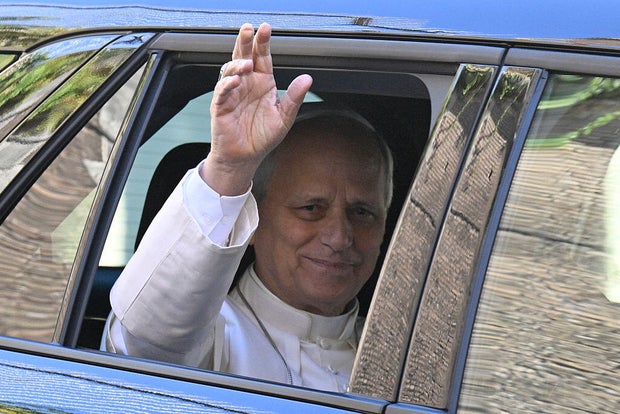
Tiziana FABI /AFP via Getty Images
“The Vatican tends to keep these things under wraps, so there’ll be a lot of reading between the lines to try and detect what is the state of the pope’s health,” Candida Moss, the Edward Cadbury professor of theology at the University of Birmingham in England, told CBS News.
Leo is known for living an active and healthy lifestyle, including swimming and playing tennis, all factors that likely worked in his favor going into the surgery.
Leo had walked into Gemelli Hospital through the main entrance earlier in the day and waved to dozens of well-wishers who had gathered to greet him. The Vatican said the surgery was performed by a team led by Gemelli’s chief thoracic surgeon, Dr. Stefano Margaritora.
The Vatican on Monday canceled all Leo’s audiences through Oct. 20. There was no word on whether Leo would be able to keep his planned trip to South America next month.

The typical recommendation for a procedure of this kind is to avoid air travel for about three weeks, which would put the pope right up against the start of that trip, which is scheduled for Nov. 6.
Moss told CBS News that Vatican protocol calls for the pope’s cardinals and aides to step in and take up many of his duties as needed.
“We should also expect that, inasmuch as is possible, Pope Leo is going to continue to work,” Moss said. “We have a long tradition of popes — not just Pope Francis, but also Pope John Paul II, who had Parkinson’s for 10 years — who continued to remain as active as they could, and as active in Catholic liturgies as they could, right up until the end of their tenures.”
While Gemelli has a specific papal apartment that past popes have used, complete with a private chapel on the 10th floor, Leo will actually be staying in a nearby room since the papal apartment is undergoing renovations, according to the Vatican press office.
The Vatican had announced on Sunday that Leo would undergo surgery after a nodular lesion was found in his lung. A lung nodule is a small abnormal area measuring less than 1.2 inches that sometimes appears on a CT scan of the chest or abdomen. A nodule can be benign or malignant.
“The doctors believe it’s best to take action, so, following their advice, I’ve decided to have surgery to remove it,” Leo said in remarks during his Sunday noon blessing. “Thank you for your spiritual support, and I entrust myself to your prayers.”
Lung adenocarcinoma is the most common type of lung cancer in the United States, according to the Lung Cancer Foundation of America, and makes up about 40% of all diagnosed lung cancers.
It forms in glandular cells on the outer parts of the lung and is likely to be diagnosed earlier than other lung cancers because it spreads more slowly, the LCFA said. Symptoms can include fatigue, shortness of breath and upper back and chest pain. Treatments can include surgery, chemotherapy, immunotherapy and radiation.
Via: CBS News






Publicar comentário