Hayden Panettiere Holds Nothing Back: From Child Stardom to Crushing Loss, This Is Her Truth
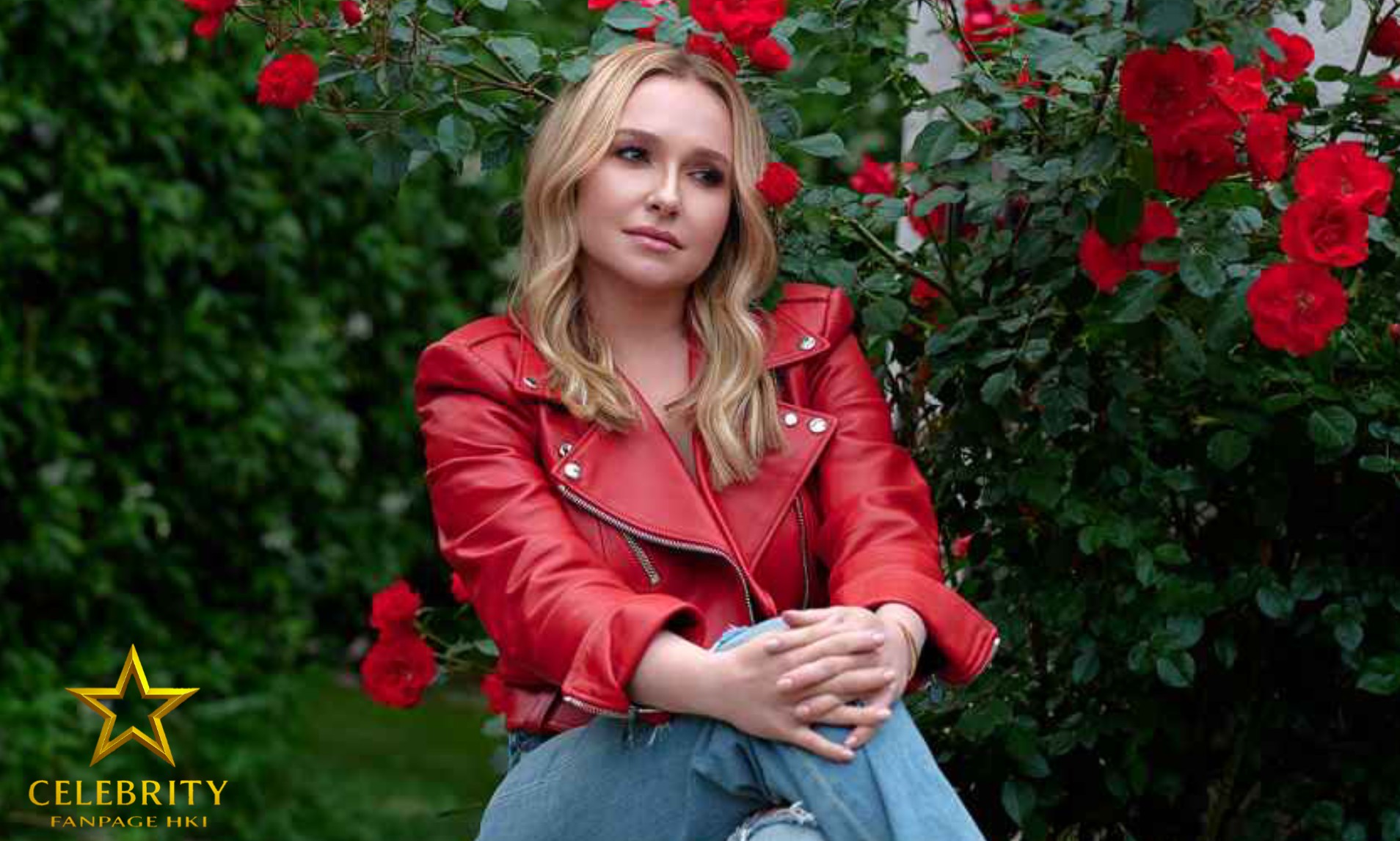
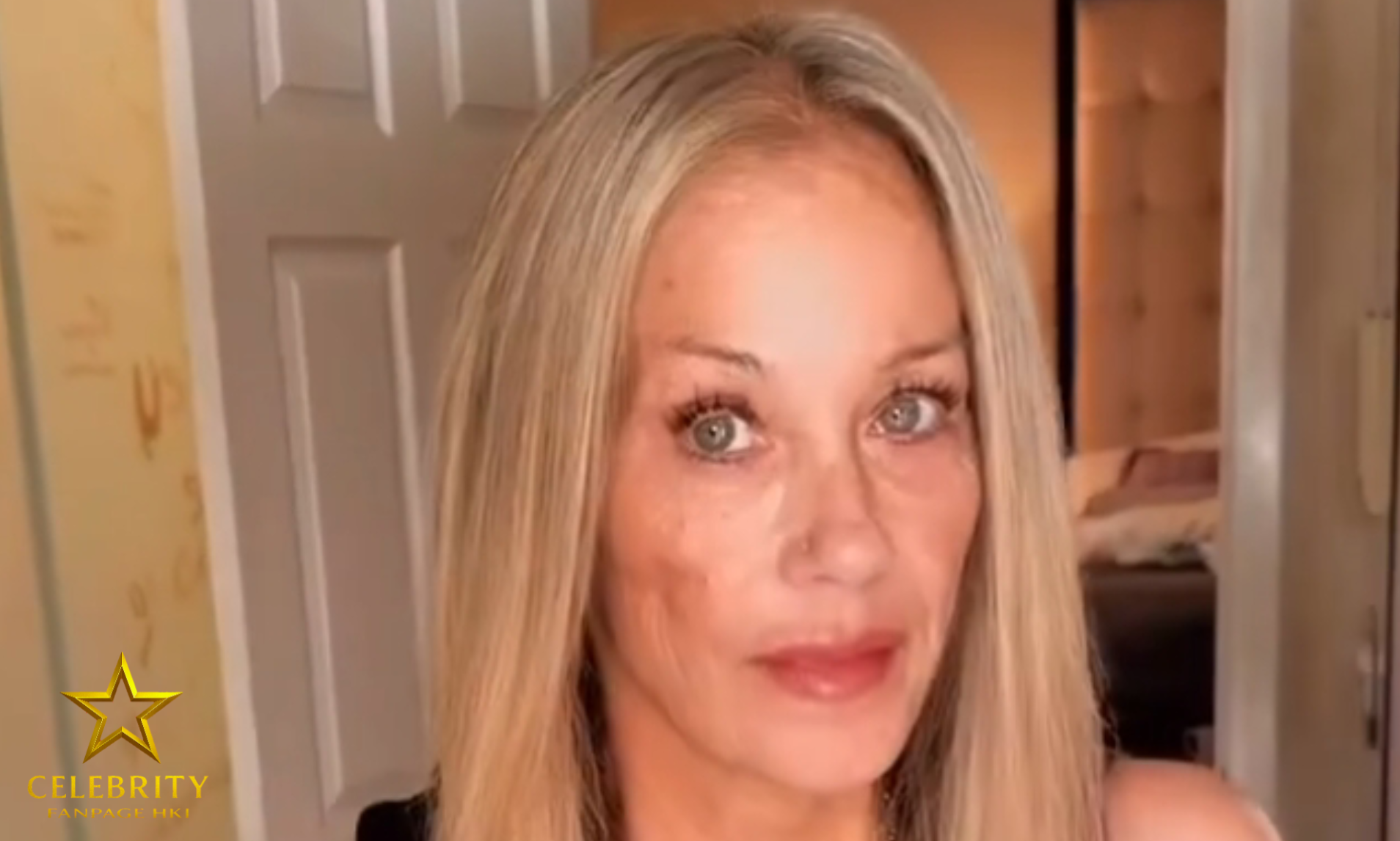
Hayden Panettiere was only 8 months old when she signed with Wilhelmina Models and 11 months when she booked her first commercial. Pushed by her momager, Lesley, she excelled as a child actor, and rapid success, pressure and a knack for onscreen vulnerability shaped her into a teenage people pleaser who found herself less than pleased with headlines she read about herself.
“It really started when I was 16 years old,” she explains to Us, with “people creating stories that were false about me. There have been a lot of preconceived ideas, and I’ve always tried to be open and honest. I felt like there was a big target on my back and all that mattered was what would make the biggest headlines and shock people the most.”
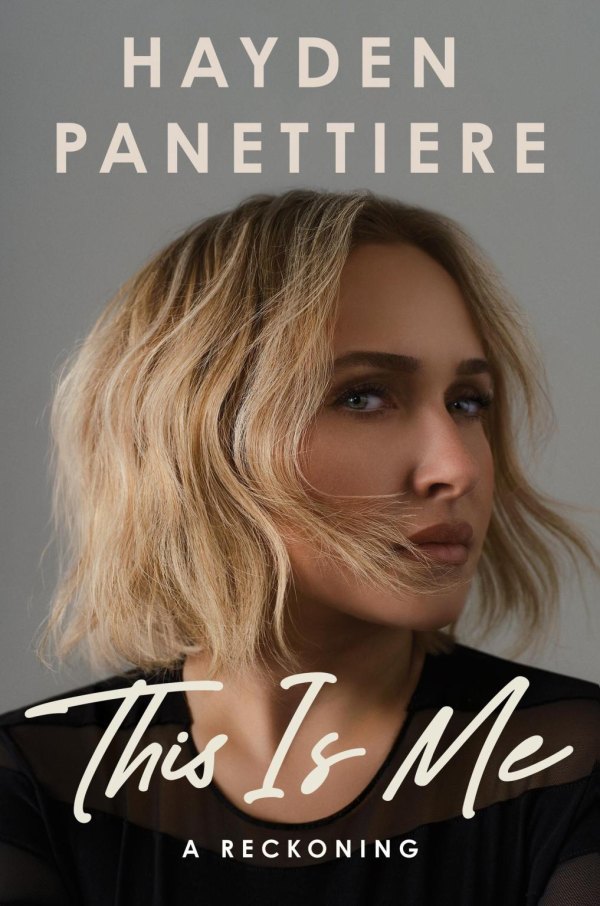
What Panettiere, now 36, actually survived in real life is shocking to learn, and she reveals her life’s most private moments in her upcoming memoir, This Is Me: A Reckoning. For the first time, she goes in-depth about her painful breakups from boyfriend and Heroes costar Milo Ventimiglia, and her fiancé, former world champion boxer, Wladimir Klitschko. Some of the teen challenges she feels, like the hurt of bullying, are relatable, but her issues become more adult and increasingly unique to her. At 16, while doing press for Heroes, a representative supplied her with non-prescribed “happy pills” from Mexico. “I trusted her wholeheartedly,” she says. “I never in a million years thought to protect myself or question it.”
As Panettiere’s fame soared, she turned to alcohol to medicate undiagnosed postpartum depression. Two rehab stints to treat addiction issues set things up for Klitschko, 50, to demand she relinquish custody of their daughter, Kaya, now 11, and leave her in Europe. Broken and vulnerable, Panettiere was romantically charmed by Brian Hickerson, who subjected her to years of physical and emotional abuse. His violence generated more negative headlines and police visits, and Panettiere eventually landed in rehab a third time. Two years after emerging from treatment, she suffered an unimaginable loss, one she’s still recovering from.
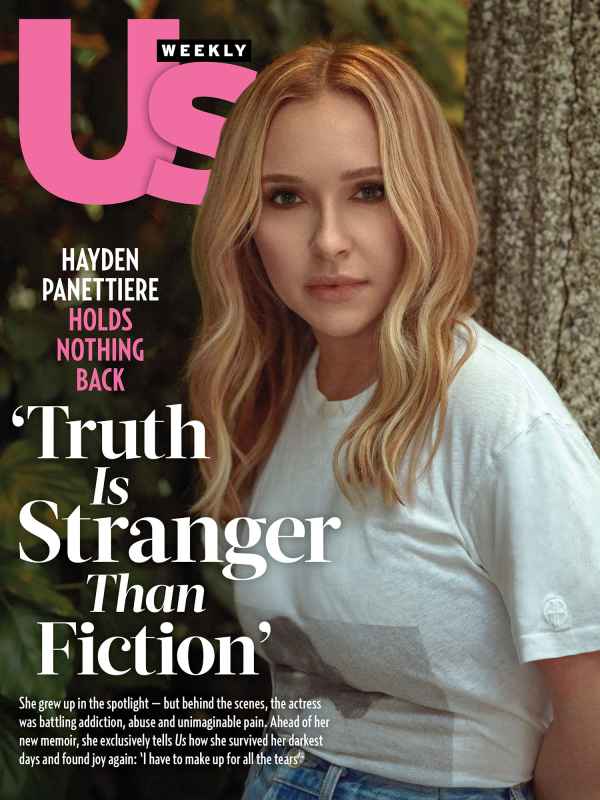
But Panettiere’s story is not all trauma and tears. There are moments of silliness, surges of growth, and finally some much needed healing. Now, the actress is able to be completely honest about what she did, what was done to her, and how she feels today. “I think people will be surprised by what they learn,” she says. Before her memoir’s May 19 release, the actress sat down exclusively with Us and opened up the highs and lows that shaped her life.
You’ve said that when you were asked to write this book, your first thought was to decline. Why?
I was terrified. The first thought that went through my head is, Am I ready to write a book about my life? Then I started thinking through my life and going, “Gosh, truth is stranger than fiction. I have so many stories already to share.” I hope that by sharing them in this book, that it helps people to overcome the obstacles they’re going through.
Were there chapters you were more worried to write about than others?
I thought the whole thing was very scary. I talk about traumatic moments and things that that people don’t even know about. The abuse I went through at the hands of people that were supposed to be there to protect me. Admitting to all of the things that I did. I knew if I was going to do this, I wanted to be brutally, painfully honest. When I was honest about postpartum depression on Live With Kelly and Michael [in 2015], the repercussions were shocking. After that interview, I had no idea when I walked off that stage that I was going to get the call saying “Neutrogena wants to fire you. They’re not OK with this.” And you’re going, “Wait a second, of all the things, how can they judge me about something that is so human and so real?”
In your early chapters on childhood, you recall struggling with an audition as a 4-year-old, and your mom is tough on you. Did you ever get to tell her, “I think you were a bit too hard on me”?
I feel like this is the first time that I’ve been able to. I was so scared of her that approaching her and being honest about my feelings was not going to get me any positive reaction. This is my way of doing it.
How are you and your mom today?
Unfortunately, we don’t have a relationship right now. But that doesn’t mean that I don’t leave the door open for the opportunity to present itself one day. It’s hard for me to say, but I’ve chosen to be brutally honest.
You went to trauma therapy. Is that where you healed the worry about disappointing other people?
It’s where I tried. It’s so ingrained in me to be a people pleaser. I went on set, and it was all about being professional, nailing it and always hitting my mark. I had to be perfect. It was nice to hear positive feedback from people like the directors or producers, but without [my mom’s], nothing else mattered. I felt like I had an identity crisis at 12 years old. I didn’t know who I was. I remember sitting in my bedroom and going, “I can be all of these different characters. I’m going on auditions, and I feel like I’m pulling these characters. They’re different parts of me. But who am I, just naturally?”
You explain “trigger tears” and learning to cry on command, but later realize this childhood catastrophizing was actually damaging. When did you understand what an impact that had on you?
I think I really realized on Nashville, when I was working 10 months out of the year. [As] a child, it was so easy for me to cry. When people realized that I was so good at crying, they made me do it all the time. I went from a child being able to think about something so simple that would make me emotional, but [as] I got older … I had to think about things that were so gut-wrenching and it was so constant that I was like, “How can this not be having a profound impact on me, and a negative one at that?”
If it’s having that effect, you probably can’t use trigger tears anymore as an adult.
You also go into like a show like Nashville, where you sign on for six years, but you have no idea how many years you’re actually going to be doing the show. I had no idea that it was going to be that many hours a day and that many months out of the year. Once the writers saw how good I was at getting to those emotional places, they constantly wanted to write that in and I definitely did not expect that I would be crying that often. I went in thinking, I’m going to play a country music star. This is going to be fun. I didn’t know until I was already in the experience that, oh my gosh, in this episode I’m an alcoholic, and the next, I’m dealing with postpartum depression. This week I have to abandon my child and, gosh, this all sounds oddly familiar.
Something no one knew about you was your attraction to women, which you discuss in your book.
That’s something about me I was never able to share with the world, because it was just never the right time. It was either I was too young, and I was being forced to be perfect at all times. I was not encouraged to just be myself. Then came the period where it felt like people coming out, especially women, saying that they were bisexual or liked girls, was a fad. I was afraid that if I was honest, it was going to be like me jumping on the bandwagon. It was a very difficult topic to articulate properly. It’s sad I had to wait until I was 36 years old to share that part of me, but better late than never, right?
You said that you haven’t fallen in love with a woman, and there are probably multiple reasons for that. Have you ever tried dating women?
Yeah, I did. It was scary, though, because there were paparazzi always waiting for me outside, to follow me everywhere. I had very little privacy. I have dated women. I was much more into women even as a child than I was men. I have explored it, but because I hadn’t shared this with anybody, I didn’t really have the courage to throw myself fully emotionally into it. Because then if I did fall in love, that wasn’t something that I wanted to ever have to hide.
Given where you are today, do you think about yourself with any labels? Is it bisexual? Queer?
Now that I know that this book is coming out, and that I’ve chosen to share it with the world, I’m comfortable to confidently say that yes, I am bisexual. I said it! This is the first time I got to say it out loud.
You dated several Hollywood stars, including your Heroes castmate Milo. You were only 18 [he was 29], but did you think you could have a future together and might marry him one day?
Every relationship I’ve ever been in, I invested my whole self in. I saw him as my partner and that it was going to hopefully keep going and evolving and lead to marriage. But it was a point of contention that I was unable to put the “I” in front of “love you” and at the time, I didn’t realize or understand why it made me feel so uncomfortable. I could only say “love you” in a casual way. Being older, he was much more aware of what that meant. And that said a lot.
Milo breaks up with you, takes it back and then breaks up with you again a week later. Do you think he only took you back because you were crying so hard?
One hundred percent it was only because I was over the toilet, hysterically crying. It was like my world had crumbled. It was so out of left field, nothing that big or explosive had happened. Nothing had really gone wrong. Nobody cheated. I remember the look on his face being pure shock at how visceral and massive my negative reaction was, and he immediately took it back.
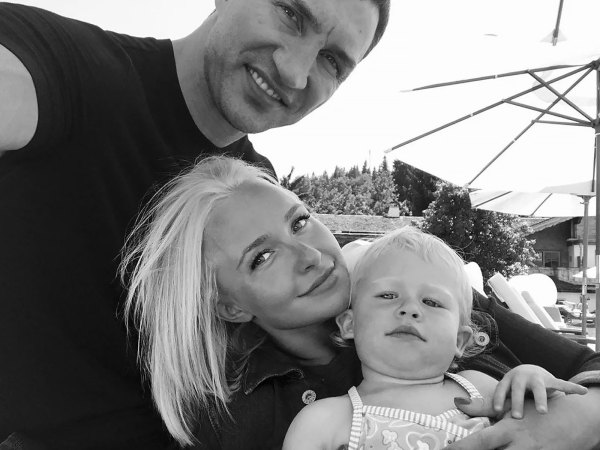
In 2009, you met Wlad, and the early days of your relationship are sweet to read. Eventually you two experience relationship challenges over how far apart your worlds are. Wlad postpones the wedding but then says, “Let’s get married.” You reject that offer. Why?
It felt like my ego had been completely destroyed in seconds. I had my book full of designs from my wedding dresses. We had traveled to Italy and had meetings with Armani. Everything was set up. In that moment, the fact that he could say that, I wasn’t gonna sit there and beg somebody to want to marry me. The only way I could think to have some sort of self -preservation and keep my confidence and not completely collapse … the best way I could think of to hurt him back, was to just blow it off. I was not going to give him the satisfaction of telling him how broken it made me. It wasn’t until years later that I got up the courage to ask him why. I was so upset with him that I wasn’t willing to be vulnerable like that.
There is vulnerability even in the prologue of this book where you write that you don’t blame Wlad for any of your wrongs, and you take “full responsibility” for your “shortcomings as a mom.” When did you get to the point of being able to take accountability like that?
That’s something that I’ve always known and struggled with. It was especially important for me to be this perfect mom, also because of my relationship with my mother, and the things that I saw her do. I’d think, These are the mistakes that I’m not gonna make. As the plans collapsed, the postpartum [depression] came, and I was completely out of control. Suddenly I was nowhere near the mom that I had sworn to myself I’d be, and that was devastating. I’m such a perfectionist in so many ways that being at least a good mother was so important to me, and such a crushing blow when I was incapable of being an even semi-decent mom, in my mind. We all want to be great parents. But we ultimately always end up making mistakes, just not maybe as many as I did.
During the medical emergency you experience after giving birth, you realize you are no longer afraid of dying. How did you feel after surviving that?
I was shocked, because I grew up with this major fear of death. On the one hand I should have been terrified, but on the other hand, it was becoming a mother in that moment and a person is born that you are willing to do anything for, to lay your life down for. I remember looking up, praying and saying, “God, just let me hear my daughter cry. Let me know that she’s OK, and if it’s my time to go, then I’m OK with that, as long as she’s good.”
You write vividly about postpartum and the accompanying blackout of emotion. Had anyone or anything in life warned you about postpartum depression?
Nope, I had never heard anybody talk about it. That’s why it took such a long time for me to put the pieces together. My mom didn’t experience it. I never had a single friend that mentioned it. And that doesn’t necessarily mean that people around me hadn’t gone through it. There was just so much stigma around it that they weren’t willing to talk about it or address it.
Do you have advice for others who are trying to support their loved ones going through postpartum?
They could have believed me sooner. I found that if somebody had not experienced it themselves, they thought that it was all taking place in my head, and that it was my personal choice to go through it and feel [these] emotions.. No one would choose to go through this much pain especially when you’ve just had a baby. I was traumatized that I was not able to be fully emotionally present. I was also shocked that people did not believe me right off the bat. The best thing you can do is to be as supportive and understanding as possible, and the worst thing you could do is make us feel like we’re crazy and unfixable and that it’s our fault that we’re going through this.
Did your experience with the intensity of postpartum depression deter you from ever thinking about having more kids?
I’ve always wanted to have more kids, but it has definitely crossed my mind, especially with what happened during [giving] birth. It’s definitely crossed my mind that I might look into something like a surrogate. Is it safe for me to put myself in that position again, and is it going to happen the same way again if I do have another child? Is history going to repeat itself?
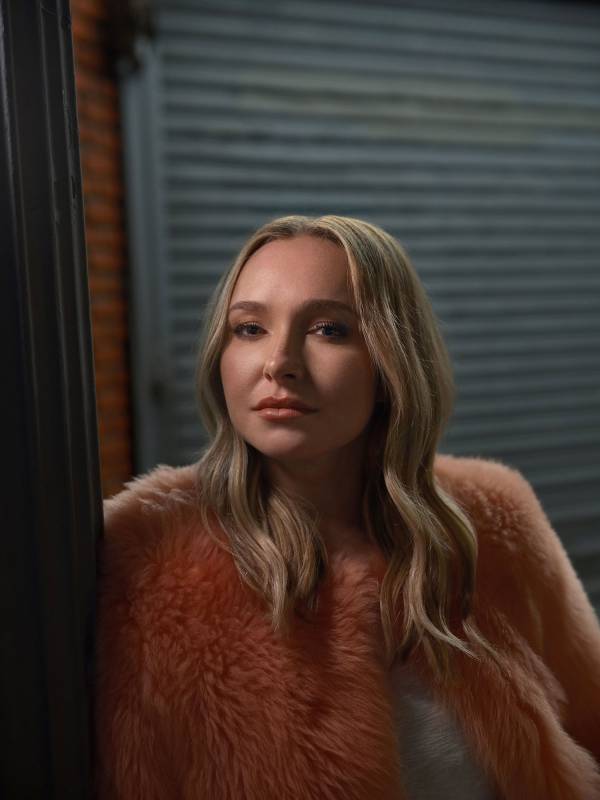
As they started writing your real-life story into Nashville, you developed a pill dependency and fall asleep on set getting ready for your makeup to be done. Did any of your costars realize how hard it might be to be reliving your trauma on screen?
No. That was the shocking part, that very few people seemed to care. They cared if the way it was affecting me had a negative impact on filming or on the show. But there was very little concern about my mental and emotional state. I was also very good at hiding my feelings. One of the things I was really good at when I was younger was jumping in and out of the character between action and cut. But with this character, I turned into Juliette Barnes. Juliette Barnes was me. I didn’t know where Hayden started and Juliette ended.Very few people took the time to come up to me and ask if I was OK. I don’t know that they wanted to know.
During this time period, you were also dealing with a stalker. Was this the man sentenced to 30 months in prison last July?
Yes, this is a very terrifying individual who wreaked havoc on my life for a long, long time. The FBI finally were able to get him and put him in jail. He recently got out. So I’ve been trying to process that. The whole thing [is] terrifying and affected everyone, not just me. A lot of people were in danger that were close to me.
Tell Us about the effect it had on you.
This guy had somehow gotten my number. He had gotten the number of the people closest to me. It was calls and texts all day, every day, threats on my life. I had to cancel multiple speaking events because he was waiting for me there to do lord knows what. I had to stay inside and live in fear. It had a huge impact on my life and the lives of the people I loved around me, which was almost worse for me, fearing for them. But he’s now out, and that’s just a daunting … that’s the reality of the situation. It’s terrifying what people are capable of.
After your second trip to rehab, you flew to meet Wlad and Kaya in Europe. Can you talk about that day Wlad gave you the custody documents to sign?
It was a living nightmare, and I felt so out of control. There’s nothing that I could do about it. There’s so much of me that wanted to fight, but I had to ultimately take into consideration the most important thing, which was how this was all going to affect my daughter. Sometimes that means having to do the hardest things in the world, for their sake. Wlad is an incredible father, and I know he was doing what he felt was best for our daughter. Living on separate continents made our arrangement even more challenging. Despite how I felt, it was important to always put her first. But it was a difficult thing to write about and still is a difficult thing for me to verbalize. Absolutely one of the worst days of my life, and will always be.
Via: US Weekly


Publicar comentário